Bespoke Web Design Agency in Somerset
Blunt Notion is based in Yeovil, Somerset and works with businesses across the UK and overseas. Every project starts with the same questions: what do you sell, who needs it, what should they understand and what needs to happen next?
The design follows those answers. So does the technology.


A website should solve a business problem before it wins a design award.
A website can look polished and still be a complete pain to use. It can hide the services that make money, give every page the same priority, load slowly, fall apart on a phone or leave a potential customer unsure what to do next.
We deal with those decisions before decorating the screen. Discovery, sitemap planning and content structure come first because they affect everything that follows: the design, the WordPress build, search visibility, editing experience and eventual cost of changing the website.
Blunt Notion handles the discovery and design directly. You are not briefing an account manager who briefs a designer who has never spoken to you. We learn how the business works, challenge assumptions where necessary and turn that into a website people can understand.
Most projects are designed and agreed before development begins. When a deadline is genuinely tight and the client is comfortable working closely with us, design and development can overlap. There is no ceremony for the sake of ceremony. The process should give the project enough control without slowing it down for no useful reason.

Discovery and structure.
We start with the business rather than the homepage. We establish what you sell, which services or products matter most, who the website is for, how people currently find you and what a useful enquiry or sale looks like.
From there we plan the sitemap and content structure. This is not an SEO exercise bolted on at launch. Deciding which page should cover each service, audience, location or question early gives the design and build a cleaner foundation.
If you already have a website, we review what deserves to stay, what is causing friction and what should not be carried into the new one simply because it already exists.
Wireframes and visual design.
Wireframes are useful when the structure, user journey or interface needs testing before visual design. They are not compulsory paperwork. A straightforward service website may move directly from an agreed sitemap and content plan into detailed design.
Sketch is our primary design tool, with Figma, Photoshop, Lightroom and other tools used where they suit the work. The software is not the service. What matters is making clear decisions about hierarchy, navigation, typography, imagery, calls to action and how the brand behaves on screen.
We generally plan for one proper revision stage. That is not an arbitrary limit designed to make feedback difficult. Careful discovery normally removes the need for endless rounds of subjective changes. If a project needs more design exploration, it can be allowed for in the scope.
Responsive development.
Most designs are agreed before development. We can produce dedicated mobile layouts where the interface warrants them, or adapt a strong desktop design responsively during the build when that is the more efficient approach.
Mobile-first does not mean producing a separate picture of every page at every possible screen width. It means making deliberate decisions about how navigation, content, media and interactions behave when space changes—and testing those decisions in the browser.
For WordPress projects, we usually build a custom-coded theme rather than modifying a marketplace theme. That gives us control over the front end, editing experience, performance and long-term maintenance. Explore our bespoke WordPress development service for the development detail.
Testing, launch and support.
Testing happens throughout development and again before launch. We check the website ourselves across relevant screen sizes and browsers, review content and interactions, and work towards a high accessibility standard.
Launch is not the point at which the project is thrown over the fence. We can handle hosting, maintenance and ongoing support, but neither is compulsory. The client owns the website and its code.
If a phased release makes more commercial sense, we can plan one. Timings, payment stages and delivery arrangements are agreed around the project rather than forced into the same package for every client.

What does a bespoke website design project actually include?
The exact scope depends on the website. A five-page professional-services site does not need the same process as a large membership platform, publishing website or online shop.
Depending on the project, the work can include:
discovery and project planning;
- sitemap and content-structure planning;
- review of the existing website and content;
- wireframes for important templates or journeys;
- original interface and responsive website design;
- typography, colour and digital brand application;
- calls to action and conversion-path planning;
- image selection, preparation and art direction;
- custom WordPress design and development;
- Shopify design & development where it is the better platform;
- content migration and redirect planning;
- foundational on-page and technical SEO considerations;
- accessibility, browser and device testing;
- analytics and Search Console setup or migration;
- launch, hosting, maintenance and training.
We will not sell every item to every client. The scope should reflect what the business needs, the deadline and the available budget.

Design decisions that survive the build.
Website design does not exist in isolation. Structure affects SEO. Design affects development. The CMS affects what your team can safely edit. Platform choice affects what the website will cost to run and change.
These are separate areas of expertise, but they need to work together.
-

UI and UX design
Page hierarchy, navigation, user journeys, interface behaviour, wireframes and responsive layouts shaped around real tasks.
-
WordPress development
Custom themes, structured content, integrations and an editing experience built for the people who will actually manage the website.
-
Website SEO
Search structure, crawlability, page intent, internal linking and performance considered before the website reaches launch.
-
Website development
Front-end and back-end development that turns an agreed design into a reliable, responsive and maintainable website.


Bespoke does not mean forcing every client into the most expensive option.
We design interfaces from scratch and normally build custom WordPress themes. That avoids inheriting a generic theme’s design decisions, unnecessary features and editing restrictions before the project has even started.
We also have experience with Elementor and the other major page builders. We do not refuse a sensible project because of the tool already involved, and we do not pretend custom development is automatically right for every deadline or budget.
Sometimes an existing system should be improved rather than replaced. Sometimes Shopify is a better fit than WordPress. Sometimes a phased rebuild is more useful than waiting for the budget to replace everything at once.
We discuss the trade-offs plainly: initial cost, delivery time, performance, editing freedom, security, integrations and what future changes are likely to involve. Then the client can make an informed decision instead of buying whichever platform an agency happens to sell.
Recent
Work
-

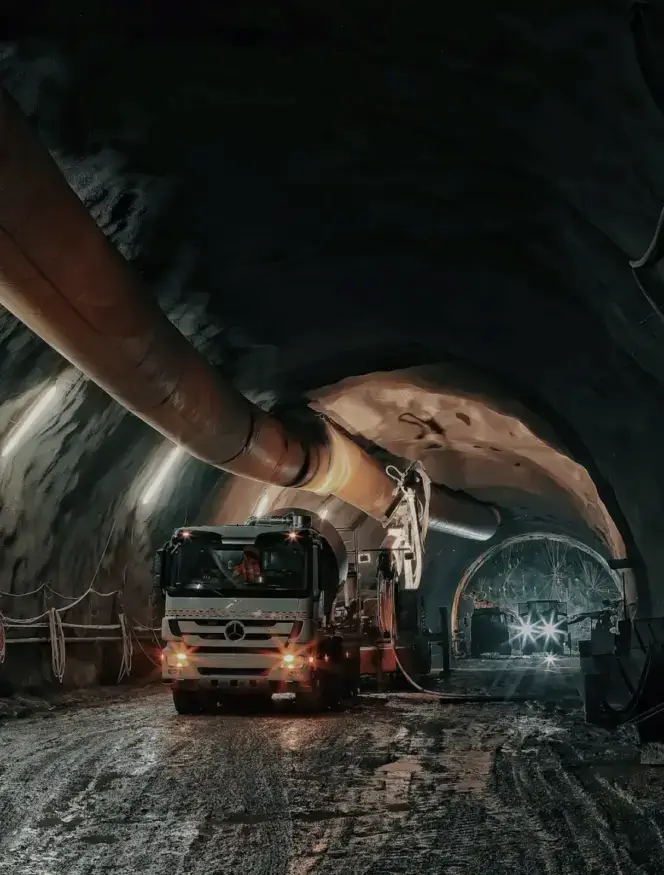
Geo-Design
Branding, CMS, Hosting & Maintenance, SEO, Web Design, Web Development, WordPress
Geotechnical Consultancy, Rock Engineering
-
Animal Control Officers
Branding, CMS, Content Creation, Hosting & Maintenance, SEO, Web Design, Web Development, WordPress
Animal Control, Dog Handling
-
Valinor Intelligence
Branding, CMS, Content Creation, Graphics Design, SEO, Web Design, Web Development, WordPress
Open Source Intelligence
-
CK Roofing Somerset
Branding, CMS, Content Creation, Hosting & Maintenance, SEO, Web Design, Web Development, WordPress
Construction, Roofing
-
Highground
Branding, CMS, Hosting & Maintenance, Web Design, Web Development, WordPress
Consulting



A new website or complete redesign.
Suitable when the existing website no longer represents the business, is difficult to manage, has accumulated structural problems or cannot support the next stage of growth.
We regularly inherit old websites. The first job is to establish what remains useful: content, search visibility, URLs, data, integrations and brand recognition. A redesign should not casually throw those assets away.
A phased website project.
Suitable when the complete requirement is larger than the immediate deadline or available budget. We can identify the useful first release and plan later stages without building the initial website into a corner.
Phasing is not an excuse to launch something careless. The first stage still needs a coherent structure, clear purpose and sound technical base.
Budget, timescale and fit.
Cost and timescale depend on the size of the website, content, functionality, integrations, review process and how quickly decisions need to be made. We do not sell a few-hundred-pound website and pretend it is a bespoke commercial build.
After an initial conversation, we define the scope and provide a proper proposal. Payment stages can be agreed around the project and client. Meetings can take place remotely or in person, and we work with clients throughout the UK as well as overseas.

Straight answers before you commission a website.
A proper proposal needs more than a page count. These are the practical questions we normally deal with before design begins.
It depends on the structure, design, content, functionality, integrations and deadline. A small service website and a large custom platform are not the same product because both happen to use WordPress.
Blunt Notion does not compete with few-hundred-pound template websites. We discuss the requirement first, identify what the project genuinely involves and provide a scoped proposal. If the available budget would be better used on a smaller first phase, we can say that too.
Timescales depend on complexity, content readiness, decision-making and how quickly feedback is supplied. Most projects are designed before development begins, but design and development can overlap when a real deadline requires it and the client is prepared to work closely with us.
We will give you a realistic schedule once the scope is understood rather than advertise a standard turnaround that only applies to the easiest possible job.
We normally plan for one proper revision stage because discovery, sitemap planning and early decisions remove a lot of aimless experimentation. That does not mean you only get one opportunity to speak during the project.
If the brief requires several concepts, stakeholder reviews or additional design rounds, they can be included in the scope. More rounds mean more time and cost; there is no useful reason to pretend otherwise.
Our normal approach is an original interface and a custom-coded WordPress theme. We are also experienced with Elementor and other established builders and can work with an existing setup when replacing it would not be justified.
The platform and build method should reflect the requirement, budget, deadline and people managing the site—not an agency rule applied to every project.
Yes. The client owns the website and project code. Hosting and maintenance are recommended because websites need looking after, but neither is compulsory.
We can plan around existing URLs, content, internal links, search visibility, redirects and tracking. No migration is risk-free, but treating SEO as part of discovery and launch preparation is far safer than remembering it after the new site replaces the old one.
Where deeper search analysis or ongoing optimisation is needed, that can be handled through our SEO services.
No. Blunt Notion is based in Yeovil and works with clients throughout the UK. We also support clients overseas, including businesses in Italy and Australia. Meetings can be remote or in person where location and project needs make that useful.
You speak to the person who will be involved in the work. A short initial call establishes what you need, where the project currently stands and whether Blunt Notion is a sensible fit.
If it is worth taking further, we arrange a proper meeting, work through the requirement and prepare the appropriate scope and proposal. You will not be pushed into a standard package during the first phone call.
Tell us what the website needs to do.
Tell us about the business, the current website, the problem you need to solve and any real deadline. If the scope is clear, we will explain the sensible next step. If it needs discovery first, we will say that too.