Tell us what your business needs to achieve.
You don’t need a finished specification. Give us enough context to understand the business, the problem and the likely shape of the project.
Blunt Notion is based in Yeovil and works with organisations across Somerset, the UK and further afield. Meetings can be remote or in person where that makes sense.
Start the conversation.
Tell us what you are working with, what is not working and what a successful result would look like. Straightforward information is more useful than a polished brief.
Submitting the form does not commit you to a project or place you into an automated sales sequence. It gives us enough context to decide what the sensible next conversation should be.
The right fit matters on both sides.
Blunt Notion is a specialist agency rather than a website-package factory.
The best projects normally involve a business that cares about the quality of its website, understands that planning affects the result and wants direct access to the people responsible for the work.
We are a particularly good fit when you need:
- an original website design rather than a recoloured template;
- proper WordPress development with structured content or custom functionality;
- a Shopify store that needs more thought than installing a theme;
- an existing website inherited, untangled or rebuilt;
- technical and commercial SEO that can be implemented rather than merely reported;
- branding and website delivery handled as one connected project;
- a phased route because the complete requirement cannot sensibly happen at once.
We do not sell a predetermined platform regardless of the requirement. WordPress is our deepest expertise, Shopify can be the better ecommerce choice, and an existing CMS may be worth retaining. If a smaller intervention, paid advertising or work outside our capability is the more responsible recommendation, we will say so.

Clients trust us to deliver
-

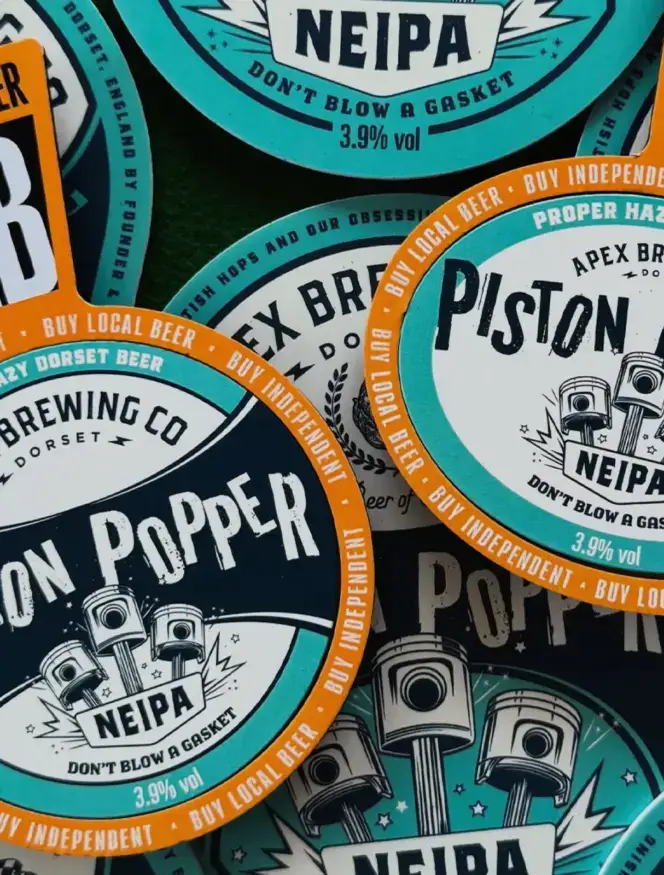
Apex Brewing Co
Content implementation, Ecommerce structure, Responsive front-end development, Shopify theme development, Technical planning
Independent brewery and ecommerce
-
Geo-Design
Branding, CMS, Hosting & Maintenance, SEO, Web Design, Web Development, WordPress
Geotechnical Consultancy, Rock Engineering
-
CK Roofing Somerset
Branding, CMS, Content Creation, Hosting & Maintenance, SEO, Web Design, Web Development, WordPress
Construction, Roofing


We review your enquiry.
The form goes to the person who will discuss and help shape your project, not an outsourced sales desk. We look at the current website where one exists, the services requested and whether the requirement appears to match our capability.
If an important piece of context is missing, we may reply with a direct question before arranging anything longer.
We arrange a useful conversation.
Most projects begin with a scheduled call or meeting. The purpose is to understand the business, users, current problems, required functionality, decision process, timing and commercial constraints.
Remote meetings are normal. In-person meetings can be arranged when location and project requirements justify them.
We recommend the sensible route.
That may be a complete website project, a phased build, an audit followed by implementation, focused development or a smaller piece of preparatory work. It may also involve retaining more of the existing system than originally expected.
If the requirement is not sufficiently clear to quote responsibly, we will explain what discovery is needed first.
Scope, proposal and next decision.
A proposal sets out the problem being addressed, recommended work, responsibilities, deliverables, assumptions, timing and commercial terms. Payment stages depend on the project and are agreed before work begins.
There is no obligation to proceed merely because we have discussed the requirement. If both sides agree the fit and scope, we establish the next practical step.

Useful answers before you send the enquiry.
You do not need to solve the project before contacting us. These answers should remove the uncertainty that commonly delays the first conversation.
No. A clear account of the business, current problem, desired outcome and known constraints is enough to begin. We can help turn that information into the appropriate structure and scope.
If you already have a brief, designs, technical documentation or existing research, mention them in the enquiry. We can decide what needs reviewing after the first response rather than asking you to upload everything immediately.
Explain what the business does, who the website is for, what’s currently getting in the way and what you expect the new work to achieve. Include known functionality, systems, timescales and decision-makers where relevant.
A direct paragraph containing useful facts is better than several pages of agency terminology.
Yes. Blunt Notion is based in Yeovil and works with organisations across the UK, as well as selected international clients. Discovery, design reviews and project meetings can be handled remotely without reducing the quality of the work.
In-person meetings can be arranged where they are useful and practical.
Yes. We regularly inherit WordPress websites and can also assess Shopify, established CMS platforms and appropriate PHP-based systems. We begin by understanding what’s already there before recommending repair, redevelopment or migration.
Access to hosting, analytics, Search Console, the codebase or administration area may be requested after the initial conversation, not through the public form.
Yes, where the phases create useful outcomes and don’t introduce avoidable rework. A phased route can help when content, budget, internal decisions or complex functionality need to be handled in a sensible order.
We will be clear when splitting the work is practical and when it would simply make the same project slower or more expensive.
Yes. Managed hosting, maintenance and ongoing development are available and often recommended because they allow the website to be monitored and improved after launch.
They aren’t compulsory. Clients own the completed website and project code once the agreed work has been paid for.
We will review the information and respond personally. Depending on the detail supplied, the next step may be a short clarifying email or a request to arrange a proper call.
Supplying a phone number means we can call if that is the most useful route, but it is optional and will not trigger an automated sales sequence.
Availability changes with active projects, and a launch date depends on scope, content, feedback, technical dependencies and the client’s decision process. If there is a fixed operational deadline, explain it in the enquiry and why it matters.
We won’t promise an unrealistic schedule merely to secure the work. Where appropriate, a phased launch or narrower first release may be possible.
Prefer to speak or email directly?
Call or email. If we cannot answer immediately, leave enough information to return your call. For detailed project enquiries, the form above is usually the fastest way to give us the context needed for a useful reply.