Branding Agency in Somerset
Blunt Notion creates brand strategy and identity systems from Yeovil for ambitious businesses across Somerset and the UK. That can include positioning, naming, messaging, visual identity, guidelines and the practical assets needed to launch or move forward properly.
The work can stand alone. It becomes particularly valuable when the new identity also needs to become a serious website.
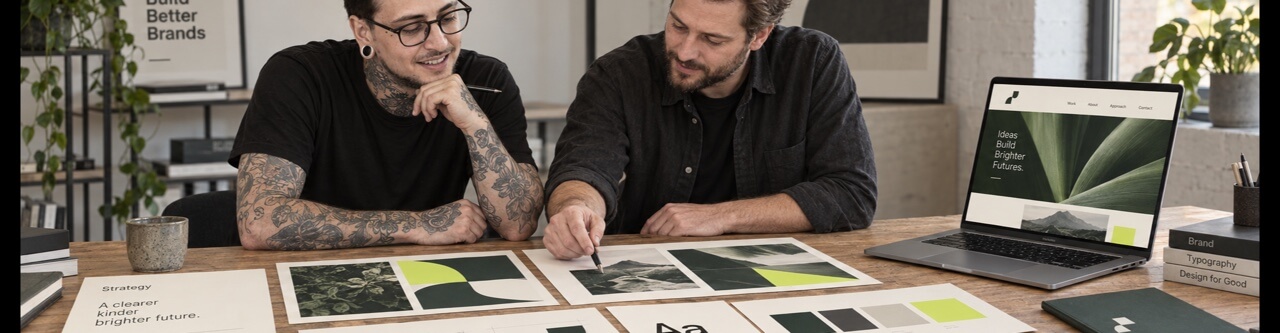

A logo gives you a mark. A brand gives the business a position to own.
Businesses normally arrive at a branding project during change. A new company needs to enter the market with confidence. An established organisation has outgrown the identity it started with. The offer has changed, competitors look increasingly similar or the website, sales material and social channels no longer appear to belong to the same business.
Starting with a logo skips the decisions that make the design useful. Before choosing a typeface or drawing a mark, we need to understand what the business does, who it needs to influence, what those people currently believe and where the organisation can credibly stand apart.
That understanding can shape positioning, naming, messaging and tone as well as the visual identity. The logo still matters, but it works alongside typography, colour, imagery, layout, graphic elements and practical rules that allow the identity to behave consistently across different formats.
Blunt Notion manages the client relationship and brings the appropriate specialist into the project under the Blunt Notion name. Strategy, creative development and the digital application stay connected rather than being handed between unrelated suppliers.
Some identity projects are commissioned independently. Others continue into website design, WordPress development or a Shopify store. Planning those applications early prevents the brand from becoming a beautiful presentation that collapses as soon as it reaches a real screen.

Discovery and commercial context.
We begin with the business rather than asking which colours the owner likes. The work considers the offer, ambitions, audiences, competitors, current reputation and the moments where people encounter or choose the organisation.
For an existing brand, we review what already has recognition or value. A rebrand should not discard useful equity merely to demonstrate that something changed. For a new venture, discovery tests whether the proposition and name are clear enough to support an identity.
The output is a shared understanding of the problem, the opportunity and the criteria the creative work needs to satisfy.
Positioning, personality and language.
The brand needs a position the business can actually support. That may involve audience priorities, category, differentiation, value proposition, personality and the central ideas the organisation wants to become known for.
Naming, straplines, messaging and tone of voice can be included when they form part of the wider identity requirement. They are developed as connected tools, not sold as isolated word exercises. The goal is language that gives the organisation clarity across its website, sales conversations and future communications.
Creative territories and identity design.
We normally explore a small number of useful creative territories to get the conversation moving. They are not a pile of unrelated logos from which the client is expected to diagnose the answer. Each direction connects strategic reasoning with visual behaviour.
The selected territory is developed into an identity system. Depending on the project, that can include a primary mark, responsive logo variations, typography, colour, layout principles, graphic devices, iconography, illustration and photography direction.
Feedback stages are agreed in the scope. The process allows the work to improve without turning every decision into an unlimited public vote.
Application, guidelines and handover.
An identity becomes credible when it works outside the presentation. We test it across the applications the business will genuinely use: website screens, documents, social content, signage, packaging, vehicles, presentations or campaign material as appropriate.
Guidelines explain how the system should be used and give future designers, staff and suppliers enough clarity to maintain it. Final artwork is supplied in the formats appropriate to the agreed applications, including scalable and practical digital versions where required.
The client owns the approved brand assets once the agreed work has been paid for. Further rollout, website delivery and ongoing creative support can continue through Blunt Notion.

What can a branding project include?
A new company, an established business preparing to grow and an organisation repairing years of inconsistent communications need different scopes. The deliverables should follow the commercial requirement and the places the identity must work.
Depending on the project, our work can include:
- stakeholder discovery and brand audit;
- audience, market and competitor review;
- brand positioning and value proposition;
- naming and naming-system development;
- strapline and key-message development;
- brand personality and tone of voice;
- creative territories and concept presentation;
- primary logo and supporting logo system;
- responsive, horizontal and compact logo variants;
- typography and colour systems;
- accessible colour-use recommendations;
- graphic devices, patterns and layout principles;
- icon, illustration and photography direction;
- stationery and document templates;
- presentation and social-media templates;
- signage, vehicle and environmental applications;
- packaging and product applications;
- website and digital-interface application;
- brand guidelines and asset organisation;
- launch planning and ongoing rollout support.
Not every project needs every item. A proposal should explain what is being solved, what will be delivered and where the new identity needs to perform.

Strategy, identity and application need to behave like one system.
Branding becomes more valuable when the thinking survives contact with real customer experiences and day-to-day business material.
-

Brand strategy and positioning
Commercial context, audience, competitors, differentiation, personality and the central position the identity needs to express.
-
Visual identity design
Logo systems, typography, colour, imagery and graphic behaviour designed to work together across different formats.
-
Website design
Turning the identity into an original responsive website with the structure, interface and content needed to support the business.
-
Shopify and ecommerce
Applying the brand across storefronts, collections, product pages and the wider digital buying experience.


When does a business need more than a logo?
A complete branding project is useful when the business needs to make a clearer commercial move: launching properly, entering a new market, appealing to a different level of customer, bringing several offers together, preparing for investment or replacing an identity that no longer represents the organisation.
It is also valuable when inconsistency has become expensive. If every proposal, social post, presentation and web page needs to be reinvented, the business does not have a usable identity system. It has a folder containing a logo.
Blunt Notion’s branding work is built around a defined business requirement and a connected set of outputs. A logo will normally be part of that work, but the value comes from the thinking, system and application around it.
A focused visual refresh may be enough when the existing name, position and recognition remain useful. A deeper rebrand may be justified when the business itself has changed. Discovery establishes how much should move before design begins.
Projects can be delivered independently or as the foundation for a new website, ecommerce store or wider rollout. If the existing identity already does its job, we will not recommend replacing it simply to increase the scope.
Brands built to work
beyond presentation
-

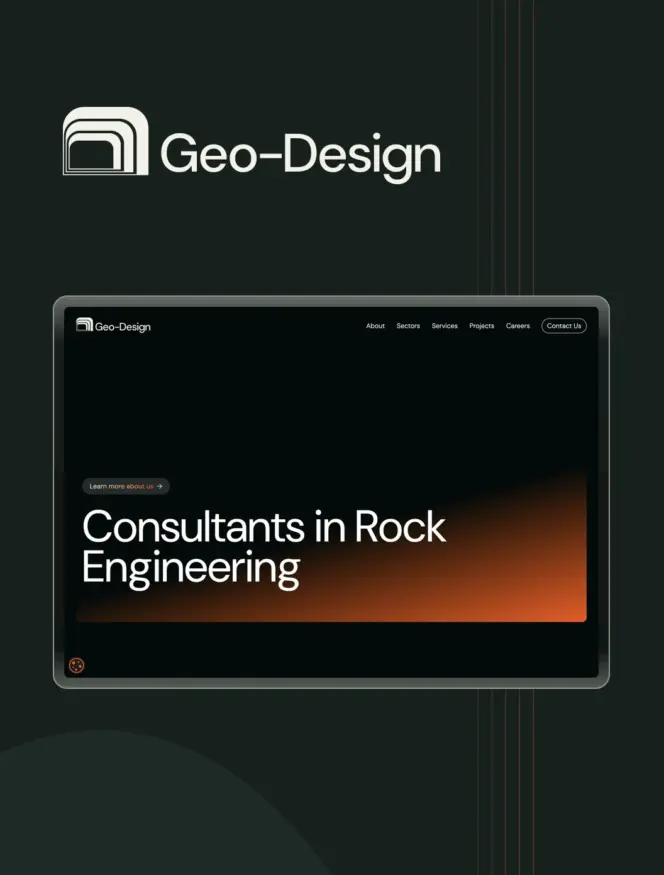
Geo-Design
Branding, CMS, Hosting & Maintenance, SEO, Web Design, Web Development, WordPress
Rock engineering consultancy
-
Valinor Intelligence
Branding, CMS, Content Creation, Graphics Design, SEO, Web Design, Web Development, WordPress
Open Source Intelligence
-
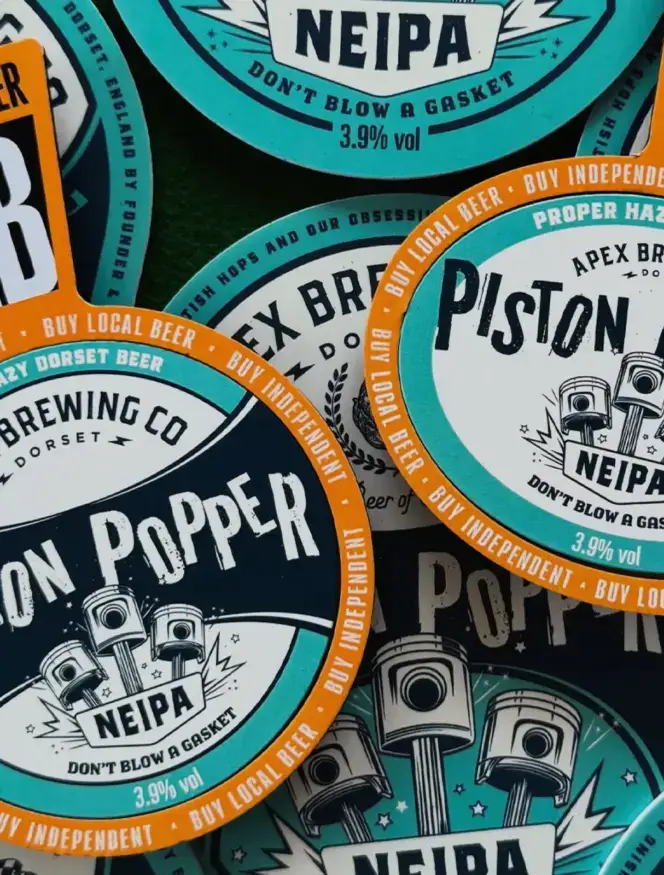
Apex Brewing Co
Content implementation, Ecommerce structure, Responsive front-end development, Shopify theme development, Technical planning
Independent brewery and ecommerce
-
Animal Control Officers
Branding, CMS, Content Creation, Hosting & Maintenance, SEO, Web Design, Web Development, WordPress
Animal control and specialist dog handling


A new brand identity.
For a new venture, product or organisation that needs to enter the market with a coherent position, voice and visual system.
The project can cover discovery, naming where required, positioning, messaging, visual identity, guidelines and the practical launch applications agreed in the scope.
A strategic rebrand.
For an established organisation whose offer, audience, ambition or reputation has moved beyond its current identity.
We establish what still has equity, what creates confusion and what needs to change. The answer may be an evolution rather than a dramatic reset.
Branding and website delivery.
For businesses that need the identity and website to be developed as one connected commercial project.
Brand decisions can move directly into content direction, interface design, WordPress or Shopify development and the materials required for launch. This avoids the common gap between an identity presentation and the website that has to use it.
Brand rollout and ongoing design.
For organisations with an established identity that need it applied consistently across digital campaigns, documents, presentations, social material, packaging, signage or other touchpoints.
Ongoing work is scoped around a defined set of applications or an agreed support requirement. It is not positioned as an isolated strapline or single disposable graphic service.

Straight answers about a branding project.
Good branding is a business decision and a creative process. These are the questions worth settling before either side starts drawing.
The scope depends on what the business needs to change and where the identity must work. It may include discovery, research, positioning, naming, messaging, tone of voice, logo systems, typography, colour, imagery, graphic elements, guidelines and agreed launch applications.
We define the deliverables before work begins. A useful proposal explains the decisions being made, not merely the number of logo files supplied.
Yes. Logo design is usually part of a wider identity project. The mark is developed alongside the strategic and visual system it needs to represent, including typography, colour, variations and real applications.
If the requirement is only an isolated mark with no wider commercial or identity work, a complete Blunt Notion branding engagement may be more than the project needs.
Yes, when they form part of the wider branding requirement. Naming may be needed for a new venture or product, while an established business may need clearer positioning, key messages or a more consistent voice.
These elements are scoped as connected parts of the identity rather than unrelated one-off exercises.
We normally use a small number of considered creative territories to establish direction. Presenting several weak variations creates choice without providing clarity.
The exact concept and feedback process is agreed in the proposal. Once a direction is selected, it is developed and tested across the applications that matter.
Feedback stages depend on the size and nature of the project and are defined in the scope. The process provides enough room to challenge and improve the work without making the project open-ended.
Clear discovery, agreed decision-makers and consolidated feedback usually matter more than an artificially large revision allowance.
Cost depends on the research, strategy, naming or messaging work, depth of the identity system, number of applications, stakeholder process and rollout required. A focused identity refresh and a complete strategic rebrand are not comparable projects.
After an initial conversation, we recommend a scope and provide a clear proposal. The work is intended for organisations investing in a brand system they can use, not simply purchasing a decorative file.
Timing depends on discovery, stakeholders, creative development, feedback and the number of applications being produced. A smaller identity can move more quickly than a rebrand involving naming, messaging and a coordinated website launch.
We provide a realistic schedule after the requirement and decision process are understood.
The client receives the approved assets in the formats appropriate to the agreed uses. That normally includes scalable logo artwork, practical digital versions, colour variations and supporting guidelines or specifications relevant to the project.
Additional templates, application artwork and source files are included where they form part of the agreed deliverables.
Yes. Once the agreed work has been paid for, the client owns the approved brand assets supplied as part of the project. Any third-party font, photography or stock licensing is explained separately where applicable.
Yes. Branding and website delivery are particularly effective together because the identity can be tested in the environment where many customers will experience it most often.
Blunt Notion can carry the work through website design, bespoke WordPress development or Shopify development, depending on the business and operational requirement.
Yes. If the existing identity still contains recognition and useful equity, we can retain its strongest elements while improving typography, colour, consistency, applications or digital behaviour.
A rebrand should be proportionate to the business change. New is not automatically better.
Tell us what the business needs to become known for.
New venture, strategic rebrand, identity that no longer fits or a website that needs a stronger foundation—tell us what is changing and where the brand needs to work. You will get a direct conversation about the sensible scope, not a menu of logo packages.